Options Are Not a Lottery Ticket
Why 93% of retail options traders lose money — and the one thing options are actually good for.
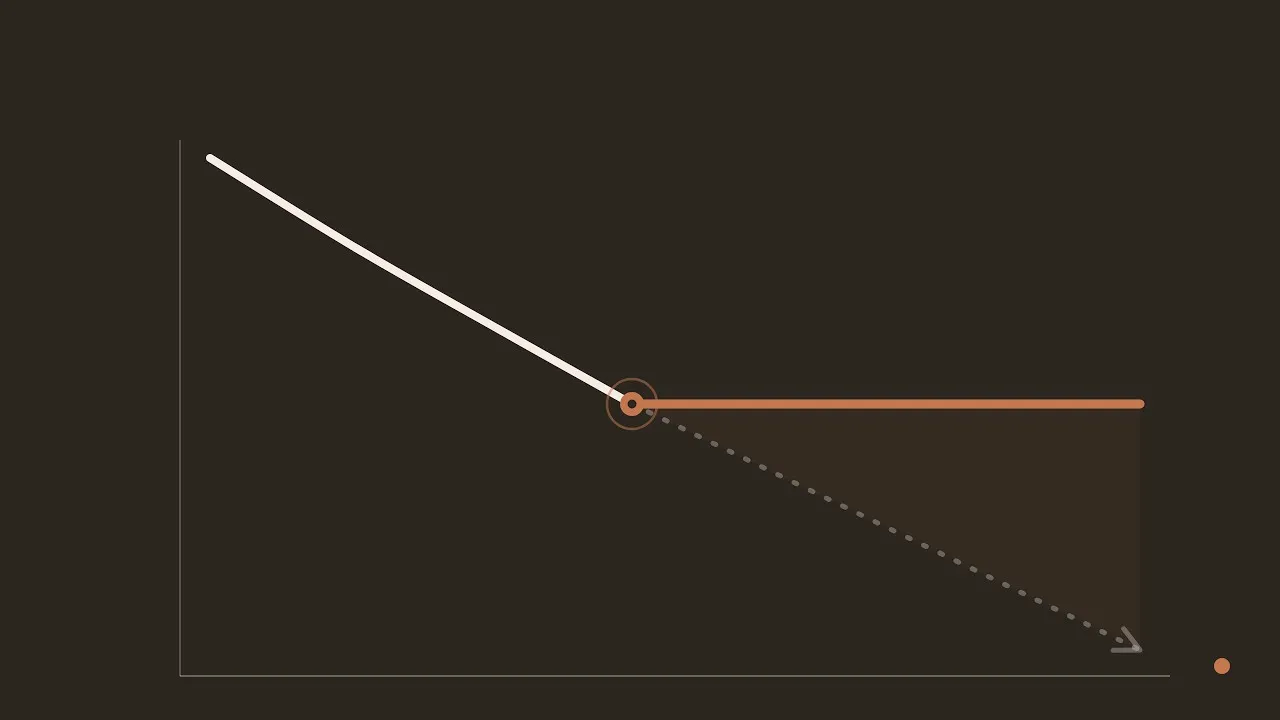 Watch the video: Options Are Not a Lottery Ticket
Options is such a complicated instrument. Among the instruments you can use to trade, you have equity — which are basically shares — and then you have derivatives of that. A derivative could be based on a stock, on a currency, on land, or on almost anything. Mainly there are two: futures and options.
Futures is a little harder to get started with, since you need to pay an upfront fee. But options? You can start trading options with as little as ₹1,000. No wonder why it’s popular and common among young and budding traders. And if you get lucky, you can compound that — you can double it, triple it, or even generate 10 times the return on your capital. So the way I see it, it looks like a very simple, very easy instrument to get started with.
But here’s the catch: if you don’t learn the basics of how options are priced, or anything about their foundation, you are bound to lose money trading them. Even SEBI has done a study on this.
93% of retail options traders lost money in a single financial year, according to SEBI’s study. Only about 7% were profitable.
You may never have been curious about this, but you need to ask: who are those 7% who are making money on options? That’s one way to look at it. Because it’s not just buying and selling — it’s not as simple as it looks.
Why options are different from stocks
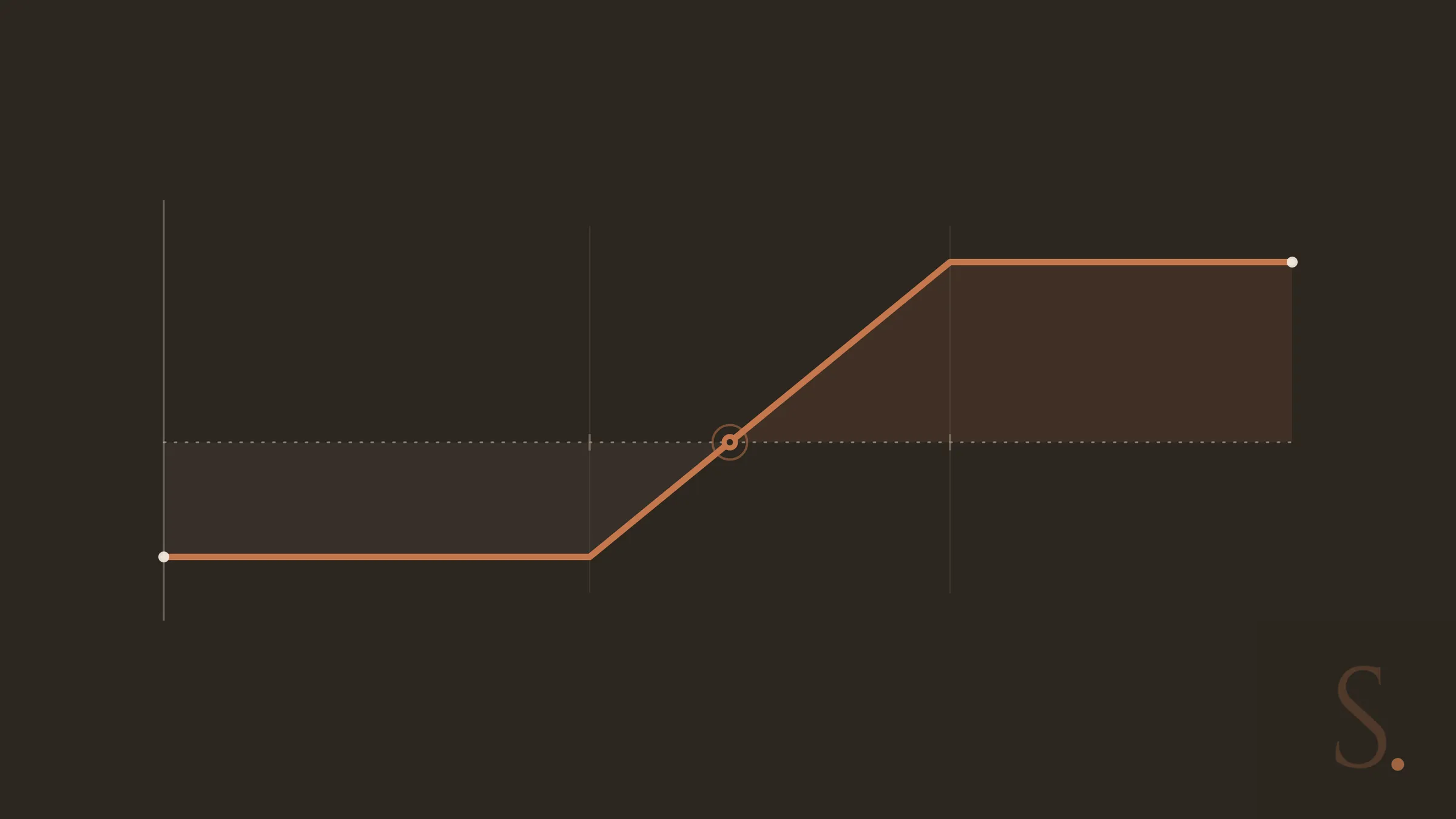
When you trade stocks, if the stock is doing well fundamentally, or it’s in an upward momentum, then you have a high chance of succeeding in the long run. But options are different. Options have an expiry. They are time-bound. And there are many other factors — volatility, time decay, interest rates — all affecting the price of an option. It is very easy for an option buyer to lose money.
In this note, I’m not going to do a deep analysis of what options are. I just want to point out the wrong way to start trading them.
The gambler’s mistake
From my experience — and from talking to many traders around India — it’s clear that almost every trader losing a huge sum of money in options shares one mindset: they want quick returns. Most of them don’t know the foundation, the framework of how options were designed in the first place. They don’t know who has the edge — who holds the statistical edge by default. They don’t care about that. All they care about is an option contract shooting from ₹10 to ₹30 or ₹50.
And if you think about it, trading options — especially buying options — when you don’t know what you’re doing, is very close to gambling. If you know a gambler, you’ll recognise it. In gambling, the house — the one who holds the game — has the statistical edge. So no matter how hard you try, in the long run the house always wins.
The gambler knows the situation. All he needs is one lucky break — a one-in-a-million chance — to win the lottery and recover the losses of a lifetime. But that one-in-a-million chance has a very high rate of not occurring in his lifetime. And it’s not only him playing. That chance could just as easily go to someone else. To wait for it again might take him 10 or 20 lifetimes if he’s unlucky. That is exactly the case with options trading.
The default odds are against the buyer
I’m not going to go into all the nuts and bolts, but by default — keeping everything else constant, like the underlying price, time decay and interest rates — the two sides of the same coin do not have the same odds.
~64–67% chance the option seller comes out ahead
~33–36% chance the option buyer comes out ahead
So if you think closely about it, option buying is not favorable by default.
Beginner’s luck, then the gambler’s ruin
Most traders jump straight into options without learning anything or educating themselves about the structure and how it’s designed. They start right off with buying options. Then they get some beginner’s luck — their ₹3,000 or ₹4,000 doubles or triples — and they expect that to continue forever.
So as soon as the beginner’s luck runs out, they start losing. But they still carry the anchoring bias that things will keep working out the same way — doubling or tripling their capital. Little did they know they had already used up their chances of profitability. What follows is the ruin of their capital — what we call the gambler’s ruin.
Some even bet higher than before, because “you have to win one day, right?” So they keep betting higher and higher. But if they are very poor with strike-price selection, that win might never come again. Things go on like this, they keep losing, and what do they usually do? They blame their strategy.
It’s not the strategy — it’s the shortcut
They have some technical-analysis system for reading the chart, and they start saying that their system or strategy isn’t working. Of course, some strategies really don’t work — I’m not going to dive into that. But you have to understand: the real reason they are losing in the first place is that they never truly invested the time to learn what options are — the basics, the foundation, the framework. They jumped straight in because someone told them you can double or triple your money in a short span of time.
So if that’s the case, their strategy — whether it actually works or not — was never really to blame. And it wasn’t their psychology either. Yes, if they’re losing and breaking down, bad psychology will follow their losses. But what gives them that bad psychology in the first place is their ignorance — their over-reliance on the little knowledge they have. They never wanted to learn the basics first. They were looking for shortcuts, for a way to double their money in a short span of time.
And this isn’t only about options. It’s true in life in general. If you are always looking for shortcuts — quick returns, quick profits, whether in trading or in business — you are taking on a lot more risk. And that risk converts into one of two things: a high return, or the ruin of your capital. That’s not just options; that’s how life works. But coming back to options — it’s the trader’s own ignorance, from not learning anything in the first place, that got him into trouble.
So how should you think about options?
Here is how we should think about options. First of all, it’s an instrument to transfer your risk — the risk of your portfolio losing its value — to someone else. That’s the first way to look at it.
A worked example — hedging with a put
Say you have a ₹10 lakh investment. You hear news that a war might break out, that there’s been escalation somewhere in the world. You can use options to take that risk away. So you buy a put option — an option that makes you money if the market falls.
Now suppose the war really happens. The market absorbs the news and falls, say, 5%. Your portfolio also falls 5% from its peak. But because you bought that put, a large part of that loss — maybe 70 to 80% of it — is covered, because the put gains on the downside while your portfolio is losing value. It gives you a better risk-adjusted return.
And if the war doesn’t break out and the market keeps rising instead? Then you only lose the premium you paid for the put — maybe 0.5 to 1% of your total portfolio value — while your portfolio gains a whole lot more.
That is the main use of derivatives, and of options especially: to hedge your risk. When you hedge, you are protecting something. In this example, you are protecting your equity portfolio using options. That’s the first thing you should know: options are a tool to hedge a portfolio, to protect you from something you’re not certain about.
The gamblers I talked about never saw options this way at all. They viewed options as a tool to double or triple their money in a short time — as if it were a lottery ticket. But that is not how long-term capital appreciation works.
Options manage risk — equity builds wealth
Options are clearly not a tool for capital appreciation. If you want your capital to appreciate, put it in instruments like equity. The best regulated, good-enough asset we have for multiplying capital over the long run is equity. And you’re trying to double your money in options in a single day, a week, a month? That’s very unrealistic. If you could double your money every month, you’d be the richest person on earth. You wouldn’t need anything else.
So the whole purpose of this note is this: view options as a way to hedge your risk, an instrument to manage risk better — not an instrument to make your capital appreciate over the long run. For that, you have equity. Options are just a tool to help you manage risk better.
Keeping my newsletter and contents on YouTube free is not an easy job. I don’t go well with the idea of trading courses though I believe there are genuine ones out there. Which is why I keep everything from my side — free! To support and fuel my burning passion, do consider using my referral below to trade/invest in stocks & derivatives. If you already have an account, no worries, you can support by subscribing to the newsletter and sharing the post!
Tap to start trading with Zerodha.
Referral link. *T&Cs apply. Investment in securities market are subject to market risks, read all the related documents carefully before investing. For a detailed disclaimer visit https://zerodha.com/pricing. Member ID NSE (13906), BSE (6498), MCX (46025). Brokerage will not exceed the SEBI prescribed limit.
How I actually use options
In my personal trading, I never use options for capital appreciation. So how do I use them? Like I said, I use options to protect my existing investments in case of any big downward move. And when I get a good chance, I use options to generate a steady income as well — though it’s not guaranteed, and the win rate is not 100%. I use it to generate steady cash flow to fund my other expenses. That’s how you should treat options.
I hope this message rings out clearly, because there is no point in losing money and then going straight back to losing money again. If you’ve lost enough, you should stop doing what you’ve been doing — and instead do what you haven’t. If you’ve already lost money buying options, there’s no point going back to it: it’s already proven that you lose money that way. So why not do the opposite? Every time you are losing, someone else is making that money. Who is on the other side? Think about that. How are they using options differently from you?
That’s the right way to look at options — whether you’re a fresher looking to start, someone who has already lost money and wants to get your mindset right, or someone who already understands options at an advanced level. Whatever kind of reader you are, that’s the right way to view them.
It’s very concerning: the losing rate among retail options traders in India is alarmingly high. As Indians, we should be educated about how to actually think about options trading.
Get new lessons by email
One email when a new article is published, free. Unsubscribe any time. We only use your email to send the newsletter; see the privacy policy.